
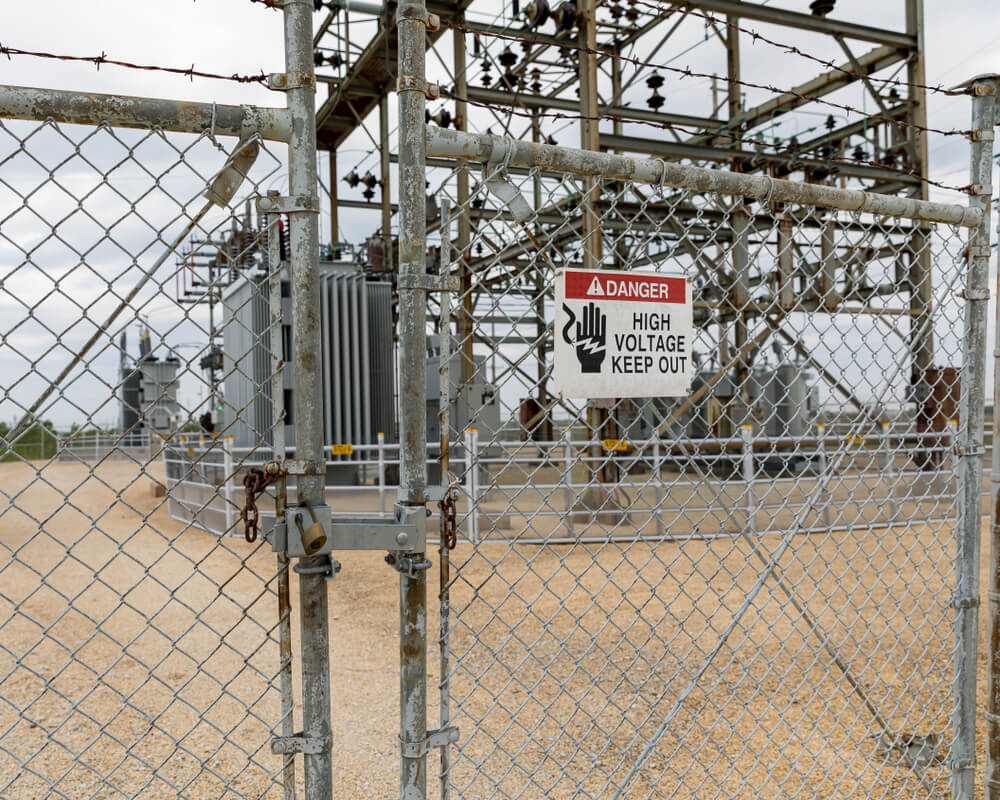
 Electrical Safety on Construction Sites
Electrical Safety on Construction Sites
Electrical hazards account for a large percentage of worker fatalities and construction job site accidents. But with the proper awareness and training programs, these tragedies are largely preventable. The Occupational Safety and Health Administration (OSHA) creates standards that protect worker safety in these situations. Here are some of the most common causes of electrical accidents on construction sites and how following OSHA standards can prevent them.
Common Electrical Hazards on Construction Sites
According to OSHA, electrical accidents are responsible for nearly 350 construction worker deaths annually. In certain trades, working around electricity is necessary and unavoidable. But no worker should have to risk their life to do a job on a construction site. Some of the common electrical hazards responsible for injuries and deaths on construction sites include:
1. Overhead Powerlines
Most of this country’s electrical lines are still overhead. On construction sites, with scaffolding, cranes, and other large machinery, this can be hazardous if these live wires are touched or accidentally knocked down. When wires fall, they can come into contact with people, flammable objects, or vehicles, creating a deadly situation.
2. Underground Powerlines
Now that more and more powerlines are being placed underground to protect them from the elements, they pose another risk. Construction workers need to know where these lines are located, or they risk severe injury or death if they strike a live line while digging.
3. Damaged Equipment and Cords
Construction sites are rough environments. But damaged equipment and electrical cords are more than just an annoyance. They create a serious safety issue for workers.
4. Inadequate Wiring, Improper Grounding, and Overloaded Circuits
Electrocution risks can vary from shock and burn events to arc flashes to explosions and fires. These hazards can be caused by a myriad of factors, including faulty wiring, reversed polarity, improper cord use, no ground-fault circuit interrupter (GFCI) installed, and improper grounding.
5. Operating Electrical Equipment in Wet Conditions
Electricity and water don’t mix. But most construction projects will continue moving forward, rain or shine. If electrical equipment gets wet, this increases the risk of electrocution. This is particularly the case if the equipment has frayed cords, is corroded, or isn’t protected with a GFCI.
6. Failing to Use Fire Retardant Materials
Using materials that are not appropriate for a construction environment can create an electrical hazard. For example, a single spark in an enclosed area could lead to a deadly fire that could be prevented if the right materials had been in place.
7. Improper Use of Electrical Equipment
Construction workers either using electrical equipment without proper training or using equipment for purposes other than what it was designed are other causes of these serious accidents.
Safety Tips to Prevent Construction Site Electrical Accidents
OSHA has created workplace standards for a reason – they reduce or eliminate hazards, prevent accidents, and save lives. Here are how some of those standards can prevent electrical accidents on construction sites:
- Personal Protection — Employees should wear Personal Protective Equipment (PPE) to safeguard against various hazards. Use of electrical gloves, footwear, and eye protection when working with electrical materials or equipment is recommended.
- Testing Equipment — Workers should never handle equipment or wiring if they haven’t received the proper training or know-how to test the items to prevent potentially deadly shocks. Before use, all equipment should be inspected for missing ground prongs, frayed cords, and cracked tool casings.
- Voltage Regulators and Circuit Breakers — These are vital pieces of safety equipment that can prevent a small issue from becoming a dangerous problem. Surge protection should always be used to shut down power in an emergency. OSHA requires that ground-fault protection be in place on all 120-volt, single-phase, 15- and 20-amp receptacles.
- Proper Use of Extension Cords — OSHA requires that extension cords used on constructions site be of the three-wire types and designed for extra-hard or hard usage. Cords should not be pinched, tangled, or wrapped around metal structures.
- Use Electrical Equipment as Intended — According to OSHA, certified, labeled, and listed equipment shall be installed and used as intended. In other words, it’s not ok to modify or alter equipment, which may create an electrical hazard.
What If You’ve Been Injured on a Construction Site?
If you’ve suffered a workplace injury due to an electrical hazard on a construction site, it’s important to understand that your employer is obligated to provide a safe workplace that protects you from these types of accidents. Appropriate electrical safety measures and training are vital parts of workplace preparedness. To learn more about asserting your rights and protecting yourself from electrical hazards in the workplace, contact OSHA injury Attorney directly.
 OSHA Safety Guidelines for Dock Workers
 Workplace Impairment
Leave a Reply
Want to join the discussion?Feel free to contribute!