
Staying Safe After Weather Events – OSHA Safety Standards for Power Linemen
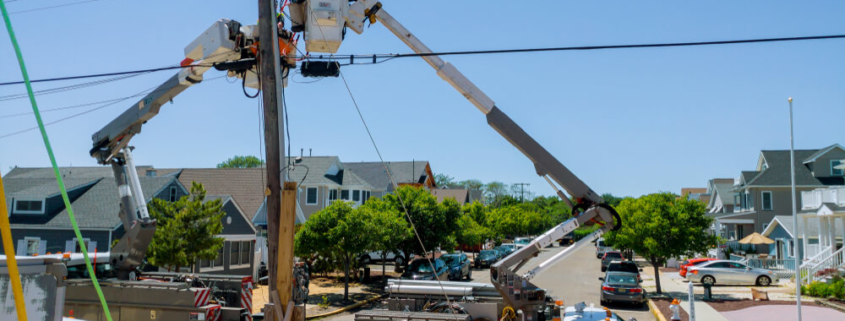
Power linemen face numerous occupational hazards and risks, including the risk of electrocution, the risk of fall, the risk of injury from machinery and equipment, and the risk of harm due to weather events or exposure. Standards set forth by the Occupational Health and Safety Administration (OSHA) are designed to mitigate risk and keep workers safe. Consider the following safety standards for power linemen, and OSHA’s guidance for staying safe in the elements and after weather events.
OSHA’s Guidelines for Avoiding Lightning-Related Injuries
Nature is a powerful force, and one of the most dangerous natural phenomena is lightning. When workers are outside during a lightning storm, there is a risk of a lightning strike severely injuring or killing workers, either as a result of a direct strike and electrocution, or as an indirect consequence of a lightning strike, such as a fire. As such, employers are required to consider lightning as an occupational hazard for outdoor workers such as power linemen, and to implement lightning safety recommendations. OSHA recommendations for mitigating the risk of lightning-related injuries include:
- Understanding lightning risks and characteristics. The first part of implementing a workplace safety plan regarding lightning is to ensure that everyone on a worksite understands lightning risks and characteristics. Lightning is a highly unpredictable natural event and can strike outside of rainfall areas. Also, all thunderstorms include lightning—the sound of thunder is caused by lightning.
- Taking cover. If thunder is heard or if lightning is seen, taking cover immediately should be the top priority of all power linemen and others at an outdoor worksite. If going indoors is a possibility, this should be prioritized. However, for workers at a job site, taking cover in hard-topped metal vehicles with rolled-up windows is a good option. Workers should remain indoors/in vehicles for at least half an hour from the time the last rumble of thunder is heard.
- Implementing an emergency action plan. To help prevent lightning injuries and other injuries that can occur as a result of weather events, employers must draft and implement an emergency action plan. This plan should include a lightning safety protocol that directs workers to take cover when thunder is heard, identify requirements for safe areas in which workers can take shelter, and specify guidelines for how to determine when outdoor work activities should be suspended.
OSHA’s Guidance for Working Outside in the Heat
Heat is another type of weather event that can endanger the health and safety of outdoor workers, including power linemen. OSHA’s Heat Illness Prevention campaign focuses on three primary pillars of safety: water, rest, and shade.
Under the law, employers are required to provide outdoor workers with protection from extreme heat. A heat illness prevention program should include guidance regarding access to water and frequent water breaks, access to shade and guidance for resting in the shade, and a plan for monitoring heat-related illness and responding to signs of heat exhaustion. OSHA also recommends that workers stay hydrated and drink cool water throughout the workday (even when not thirsty), wear hats and dress for the heat, slowly build a tolerance to heat by increasing intensity by no more than 20 percent each day, and take breaks in cool, shady areas.
OSHA Rain-Related Guidance
For power linemen, rain can be dangerous. Not only is rain often accompanied by lightning, but rain can also lead to slick conditions that increase the risk of power tool-related injuries and fall injuries. When heavy rain is combined with wind, equipment can be difficult to control, increasing the risk of a safety incident. What’s more, rain can also increase cold stress, which can lead to injuries such as trench foot and hypothermia. To mitigate injuries related to rain, employers should encourage workers to:
- Wear protective clothing, such as waterproof boots and raincoats;
- Implement an emergency response plan that indicates how workers should respond to heavy rains, wind, flash flood warnings, lightning, and other weather-related hazards; and
- Temporarily stop working when conditions are dangerous and the risk of injury is increased.
Safety plans should also include guidance for when returning to the worksite and resuming work is safe.
Learn More About Staying Safety Before, During, and After Weather Events
Power linemen face numerous threats on the job site, including weather-related threats like lightning, heat, and rain. Having an appropriate safety plan in place that addresses these hazards is a critical part of responsible management and workplace preparedness. To learn more about staying safe before, during, and after weather events, call OSHA Injury Attorney directly today or send us a message online at your convenience and we will connect you with an experienced Power Lineman Injury Law Firm.


Leave a Reply
Want to join the discussion?Feel free to contribute!