
OSHA Confined Spaces Regulations: Ensuring Safety in Construction Environments
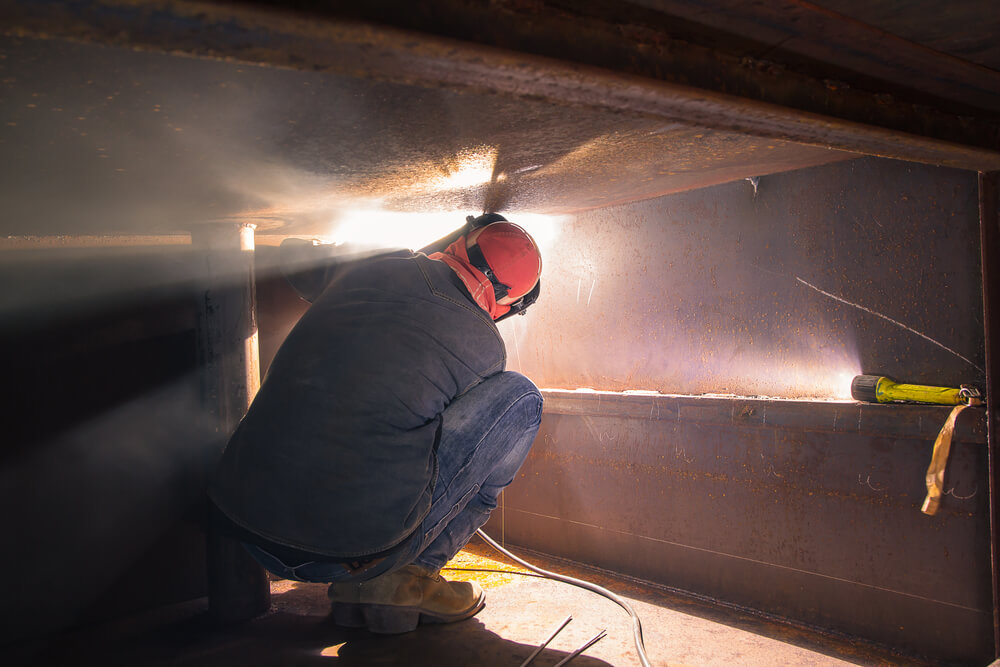
A construction site can present a variety of hazards for workers. While many people visualize construction sites as being open spaces with equipment and materials, this isn’t always the case. Often, work takes place in confined spaces, which pose a particular set of hazards. The Occupational Safety and Health Administration (OSHA) has created specific confined space guidelines for the construction industry to keep workers safe.
What is a Confined Space?
According to OSHA, a confined space is anything that meets the following criteria:
- Is configured and large enough that it allows an employee to physically enter and perform their work; and
- Has limited means of exit or entry, which can make it difficult for workers to exit or enter quickly in case of an emergency; and
- Is not intended for continuous occupancy, meaning the space is not designed to have a human inside it continuously, such as vessels, pipelines, tanks, or underground areas.
OSHA’s definition of a confined space also extends beyond the physical characteristics of a space to include any potential hazards that might be present in the space. A space might be considered a “confined space” if it:
- Lacks proper ventilation
- Contains hazardous substances
- Poses a risk of entrapment, engulfment, or other hazardous conditions
- Contains any other recognized serious health or safety hazard
OSHA states that a “permit space” is any confined space with one or more of the following characteristics:
- Contains material that could potentially engulf an entrant;
- Contains or could contain a hazardous atmosphere;
- Has a configuration that could entrap an entrant; or
- Contains another serious health or safety hazard.
OSHA’s Confined Space Standard for Construction Environments
On May 15, 2015, OSHA issued a new regulation for confined spaces in the construction industry. Previously, the agency only stated that construction companies must provide training for employees who enter confined spaces. The new regulation imposes a long list of additional requirements on covered employers in the construction industry, which is meant to keep workers safe and prevent serious injuries.
Covered Employers
OSHA’s new rule applies to all businesses involved in construction activities, except for underground construction, excavation, and diving activities, which are covered by separate standards. Multiple employers at a construction site are subject to the new rules:
- The “host employer” is the owner or manager of the construction site.
- The “controlling contractor” is usually the general contractor or the one with overall responsibility for activities at the site.
- The “entry employer” is any employer, such as a subcontractor, who directs a worker to enter a permit space.
Worksite Inspection
Before employers can begin work at a construction site with confined space, OSHA requires that a “competent person” inspect the worksite to identify all confined spaces as well as any spaces that qualify as “permit spaces.”
OSHA defines a “competent person” as someone who is capable of identifying workplace hazards and has the authority to promptly eliminate them. The person must have knowledge of the testing methodology used to identify hazards.
Employee Notice
Employers who receive notice of or identify a permit space must notify workers that it exists and any hazards it poses by posting appropriate danger signs or in some other effective way. The employer must also inform other interested parties, such as the controlling contractor, and take measures to prevent unauthorized workers from entering the area.
Written Permit Space
If workers must enter a permit space to complete assigned tasks, the employer must implement a written permit space program on the job site and make it available to employees prior to and during the entry. The program should evaluate and identify any confined space hazards, create measures to prevent unauthorized access and implement measures for safe exit and entry. If necessary for safety, the employer must provide appropriate PPE to workers at no cost and provide training on its use.
Communication and Coordination for Permit Space Entry
Prior to entering a site, the host employer must inform the controlling contractor of all known permit spaces, any entry precautions implemented, and all known hazards. The controlling contractor is then required to relay that information to any other workers entering the space. Once confined space operations are completed, the controlling contractor must debrief workers who entered the permit space and report any additional hazards encountered to the host employer.
What If You’ve Suffered a Confined Space Injury on a Construction Site?
If you’ve been injured on a construction site due to a confined space issue or any other hazard, it’s important to understand that your employer has an obligation to provide a safe workplace that protects you from harm. Sufficient safeguards and training are essential parts of workplace preparedness. To learn more about asserting and protecting your rights, contact OSHA Injury Attorney directly.


Leave a Reply
Want to join the discussion?Feel free to contribute!